
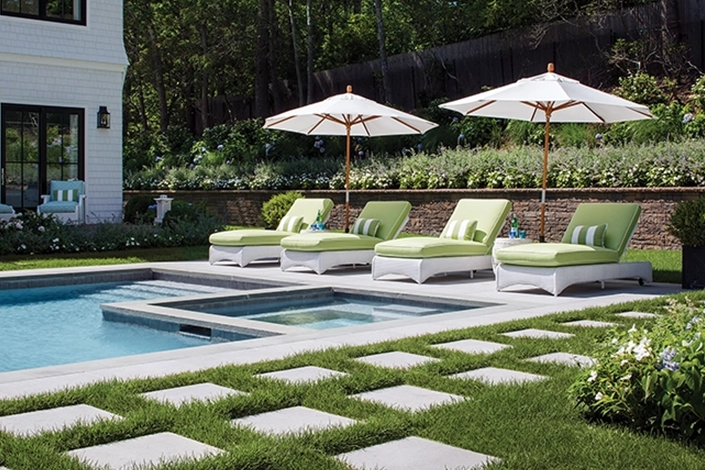
A pool is a big buy, so it helps to plan first. You may want a play space for kids, or you may want calm laps. Either way, write down what matters most. Then set a simple budget range you can handle. Next, think about who will use the pool most days. Also, think about who will care for it each week. If you keep the plan clear, you avoid changes later. For Indiana homes, you should also plan for closing in cold months. So, ask your builder how the pool will drain and winterize. Also, ask what can raise costs later. Finally, keep one file with drawings, bids, and permit notes. That file keeps things simple and saves time later.
Choose The Pool Shell That Suits You
First, pick the pool type before you pick extras. Most backyard pools are vinyl liner, fiberglass, or concrete. Each one feels different, and each one has a different care list. For example, many vinyl liners last about 7 to 12 years before you replace them. Fiberglass shells often install faster once the hole is ready. Concrete can fit many shapes, yet it may need more brushing at first. So, ask how each type handles the Indiana freeze and thaw. Also, ask what repairs look like if you ever get a leak.
Quick check: think about touch, cost, and care time.
- Vinyl feels smooth, and liners need planned replacement.
- Fiberglass uses a single shell, so seams are fewer.
- Concrete lets you add benches and wide steps.
Next, match the shell to your time and budget. Then you avoid regret later.
Set The Right Size, Depth, And Steps
Next, plan how people will move in the pool. A good layout keeps the yard from feeling crowded. So, measure your patio doors, grill area, and fence line. Then leave a walking space around the pool for wet feet. After that, pick a depth plan that fits your family. Many families like a shallow area of 3.5 to 4 feet. Also, a deep end can raise the dig cost and limit placement. If kids will play more, you may want a flatter “sport” style. If you want laps, keep one long side clear.
Design details that matter:
- Add wide steps for safer entry.
- Include a bench for rest and talks.
- Place handrails where guests will use them.
Meanwhile, think about sun and shade in your yard. Then your pool stays comfortable for more days.
Check Your Yard, Permits, And Drainage First
Before digging starts, your builder should study the site. That step saves money and helps keep the pool stable. First, call 811 so crews can mark buried lines. Then confirm property lines and any easements. After that, ask about local permits and barrier rules. Most towns want a fence and a self-latching gate for safety. So, plan the fence early, not at the end. Also, talk about drainage because water must move away from the pool and house. If the soil holds water, builders may use gravel and drains to help.
Site items to discuss:
- Where rainwater will run after a storm.
- How trucks will reach the backyard safely.
- Where the equipment pad will sit.
As a result, the job runs more smoothly, and your yard needs fewer fixes afterward.
Pick Simple Gear For Clean Water Every Day
Now think about the parts that keep water clear. If you choose good gear, you spend less time fighting cloudy water. First, talk about a variable-speed pump. It can run slower for longer, so it often uses less power. Then ask about filter choices, since each one cleans in a different way. Cartridge filters rinse out with a hose, so many owners like them. Sand filters backwash fast, yet they may not catch the finest bits. DE filters can catch small dirt, but they need careful cleaning.
Basic water facts you can use:
- Aim for a pH from 7.2 to 7.8.
- Keep free chlorine near 1 to 3 ppm.
- Keep total alkalinity near 80 to 120 ppm.
So, ask your builder what test kit they suggest. Then set a simple weekly schedule you can follow.
Plan Plumbing And Safety So Flow Stays
Good plumbing helps water move, and it helps the pool stay safe. First, ask how many skimmers you need for your size. Then ask where the return jets will point, since they push water in a loop. If the water loops well, you get fewer “dead spots.” Also, ask about pipe size, since wider pipes can lower strain on the pump. Many new pools use 2-inch lines for the main runs. Next, talk about drains. Many builds use dual main drains set apart to lower entrapment risk. That setup ties to U.S. safety rules for drains.
Safety choices to make early:
- Add non-slip step edges and clear depth markers.
- Use GFCI power for pool lights and nearby outlets.
- Keep a solid fence plan for kids and pets.
So, you protect your family, and you also protect your budget.
Decide On Deck, Lights, And Easy Access
The pool edge matters as much as the water. So, plan the deck with comfort and safety in mind. First, choose a surface that grips when wet. Then ask about the deck slope, because water must run away. Many crews aim for a slight slope, often around 1/8 inch per foot. Next, plan joints in concrete so it can expand and shrink. Also, think about where people sit and where they store towels.
Lighting and access tips:
- Use LED pool lights for clear night views and lower power use.
- Add path lights to guide guests back to the house.
- Place a hose bib nearby for quick rinsing.
Meanwhile, place the equipment pad where service is easy. Also, plan shade if you need it. Then you avoid messy cords and hoses near your hangout space.
Get Ready For Winter And Routine Care
In Indiana, you should plan for closing from day one. If you plan early, the end-of-season work feels simple. First, ask how lines will drain and blow out. Then ask where the valves will sit, so you can reach them fast. Next, choose a cover that fits your safety needs. Many owners pick a safety cover, since it can block kids and keep leaves out. Also, keep your care plan simple, since simple habits stick. Test water once or twice a week in peak season. Then adjust small amounts, not big swings.
Easy care moves that help:
- Brush walls if you have a plaster finish.
- Skim leaves often, especially after windy days.
- Clean the filter on a set schedule.
Finally, keep notes on chemicals and run times. So, each season starts with fewer guesses.
Wrap Up and Book Your Pool Consult
A good pool build starts with smart choices in order. First, pick a shell and layout that fit your family. Then check permits, drainage, and safety plans. Next, choose equipment and plumbing that keep water moving. Also, plan the deck, lights, and winter closing steps early. Pool Builders of Indiana offers Pool & hot tub services. So, you can plan one job with one team. Call Pool Builders of Indiana today for a written estimate. Then book a yard visit and get clear answers.